


If you have ever washed your face and immediately felt that dry, stretched, uncomfortable feeling, you may have wondered why your face feels tight after washing it.
That tight feeling is usually a sign that your skin is missing moisture, your cleanser is too harsh, your water is too hot, or your skin barrier is irritated. It does not always mean your face is “extra clean.” In many cases, it means your skin has been stripped more than it needed to be.
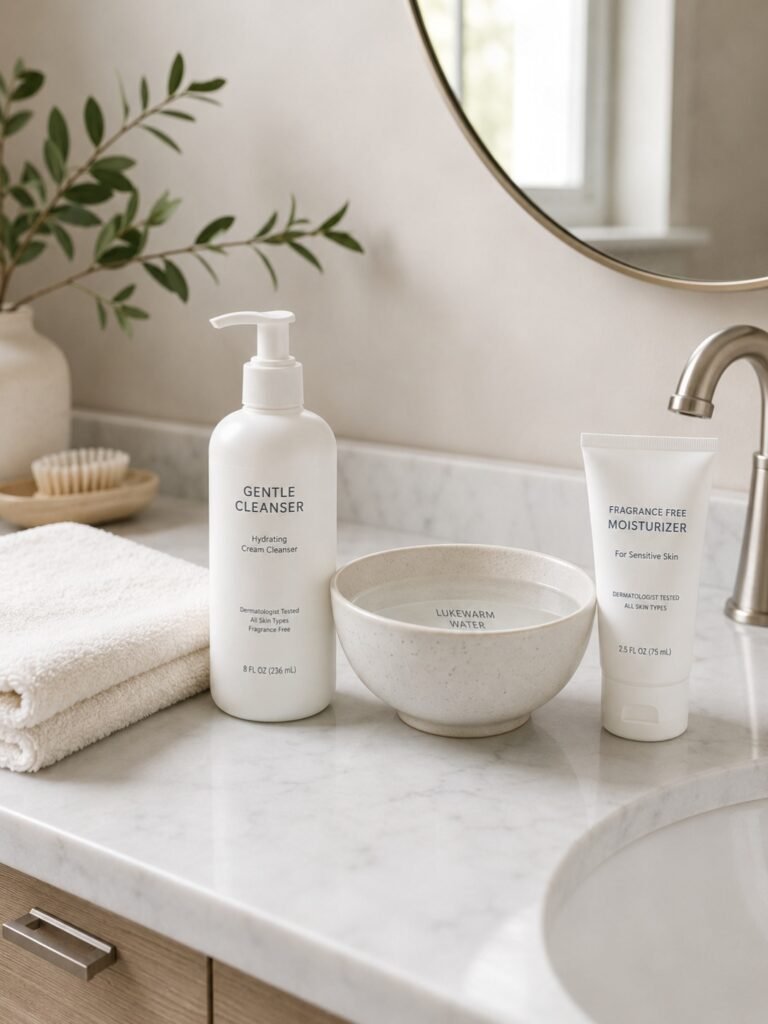
I always recommend paying attention to how your skin feels after cleansing. Your face should feel fresh and comfortable, not squeaky, stiff, itchy, or burning.
The good news is that tight skin after washing is often fixable with a gentler routine. In this guide, I will explain the most common reasons it happens, what to change first, and when it may be time to speak with a dermatologist.
Why Tight Skin After Washing Should Not Be Ignored
When your face feels tight after washing it, your skin may be telling you that your cleanser or routine is disrupting its natural moisture balance.
A gentle cleansing routine matters because harsh cleansing, hot water, and too much scrubbing can leave the skin feeling dry or irritated. The American Academy of Dermatology face-washing guidance recommends using lukewarm water, applying cleanser with your fingertips, avoiding scrubbing tools that can irritate the skin, and moisturizing after washing if your skin is dry or itchy.
Before changing several products at once, I recommend looking at two things first: your cleanser and your water temperature. The Mayo Clinic dry skin guidance explains that harsh soaps and detergents can strip moisture because they are designed to remove oil.
It is also important to know when tightness is more than normal dryness. If your skin stays dry despite self-care, becomes painful or inflamed, cracks, bleeds, peels heavily, or affects your sleep or daily routine, the Mayo Clinic recommends seeing a healthcare professional.
8 Reasons Why Your Face Feels Tight After Washing It
1. Your Cleanser Is Too Harsh
The most common reason your face feels tight after washing it is a cleanser that removes too much oil.
Many people think a cleanser is working well if their skin feels squeaky clean afterward. I do not recommend using that feeling as the goal. Squeaky clean often means your cleanser has removed more natural oil than your skin can comfortably handle.
This can happen with strong foaming cleansers, bar soaps, acne washes used too often, and products that leave your skin feeling dry right after rinsing.
The American Academy of Dermatology dry skin tips recommend washing with a gentle cleanser and using only enough cleanser to remove dirt and oil, instead of using so much that it creates a thick lather.
What to try:
- Switch to a gentle, fragrance-free cleanser
- Avoid cleansers that leave your skin squeaky or stiff
- Use less cleanser, especially in the morning
- Avoid scrubbing your face with washcloths or cleansing brushes if your skin is already tight
2. You Are Washing With Hot Water
Hot water can feel relaxing, but it can make facial tightness worse. I recommend lukewarm water for the face because it cleanses without putting as much stress on the skin.
The American Academy of Dermatology recommends wetting your face with lukewarm water before applying cleanser. The Mayo Clinic dry skin treatment guidance also recommends warm water instead of hot water for dry skin care.
What to try:
- Wash your face with lukewarm water
- Avoid steaming-hot showers on your face
- Cleanse after showering instead of letting hot water run over your face for too long
- Pat your skin dry instead of rubbing it
3. You Are Washing Too Often
Another reason your face feels tight after washing it is over-cleansing.
Some people wash in the morning, after exercise, after removing makeup, and again at night. That may be too much for dry or sensitive skin.
In my experience, many people with tight skin do better with a very gentle morning cleanse or just a water rinse in the morning, then a proper cleanse at night to remove sunscreen, makeup, sweat, and the day’s buildup.
The American Academy of Dermatology face-washing guidance says to wash your face twice a day and after sweating, but it also emphasizes gentle technique. If twice daily leaves your skin tight, it may be worth speaking with a dermatologist or adjusting the type of cleanser you use.
What to try:
- Use a gentle cleanser at night
- Try a lighter cleanse or water rinse in the morning if your skin is dry
- Cleanse after heavy sweating, but moisturize afterward
- Avoid washing your face repeatedly just because it feels oily
4. You Are Not Moisturizing Soon Enough
If your skin feels tight after washing, moisturizer timing matters.
I recommend applying moisturizer while your skin is still slightly damp. This helps reduce that dry, stretched feeling after cleansing.
The American Academy of Dermatology moisturizer guidance explains that applying moisturizer right after getting out of the shower helps trap water in the skin and keep it from evaporating. The Mayo Clinic also recommends applying moisturizer while skin is still damp after washing or bathing.
What to try:
- Pat your face until it is damp, not completely dry
- Apply moisturizer within a few minutes of washing
- Use a richer moisturizer at night if your skin still feels tight
- Choose fragrance-free products if your skin is sensitive
5. Your Skin Barrier May Be Irritated
Your skin barrier is the outer layer that helps keep moisture in and irritants out. When it is stressed, your skin may feel tight, dry, rough, sensitive, or sting when you apply products.
The Cleveland Clinic skin barrier guide lists signs of barrier damage that can include dryness, flaking, inflammation, itchiness, rough patches, stinging, tenderness, and sensitivity.
If your face feels tight after washing it and then burns when you apply moisturizer or sunscreen, that is a sign to simplify your routine.
What to try:
- Pause harsh scrubs and strong exfoliating acids for a while
- Use a gentle cleanser only once daily if needed
- Choose a simple moisturizer
- Avoid fragrance if your skin is reactive
- Give your skin time before adding new products
6. Your Active Ingredients Are Too Strong Right Now
Retinoids, exfoliating acids, acne treatments, and strong vitamin C products can be useful, but they can also make skin feel dry or irritated if introduced too quickly.
This does not mean these ingredients are bad. It means your skin may need a slower approach.
The American Academy of Dermatology retinoid guidance notes that people with skin allergies or dryness may not be good candidates for retinoid products, and people with redness or inflammation should ask a dermatologist about other options.
What to try:
- Use strong actives less often
- Avoid using multiple exfoliating products at once
- Moisturize before or after actives if your skin tolerates that better
- Do not exfoliate on nights when your skin already feels tight or irritated
- Ask a dermatologist for help if your skin burns, peels, or stays inflamed
7. Your Cleanser Does Not Match Your Skin Type
A cleanser that works for oily skin may feel too drying on dry or sensitive skin. A cleanser that works in humid weather may feel too stripping in colder or drier weather.
I recommend choosing your cleanser based on how your skin feels after washing, not just what the label says.
The American Academy of Dermatology recommends gentle, non-abrasive cleansing and fragrance-free products, especially because added scents can trigger irritation or allergic reactions in sensitive skin.
What to try:
- Dry skin: try a creamy or hydrating cleanser
- Oily skin: try a gentle gel cleanser that does not leave tightness
- Sensitive skin: choose fragrance-free and simple formulas
- Acne-prone skin: avoid over-drying your skin, even if you are treating breakouts
8. You May Have Dry or Sensitive Skin Underneath
Sometimes tightness after washing is not only about the cleanser. Your skin may already be dry, sensitive, or prone to conditions like eczema, contact dermatitis, or rosacea.
Contact dermatitis can cause itching, rash, excessive dryness, tenderness, burning, or stinging, according to the American Academy of Dermatology contact dermatitis guidance.
If your skin tightness comes with redness, rash, itching, burning, cracking, swelling, or repeated flare-ups, I would not keep switching products blindly. A dermatologist can help you identify whether irritation, allergy, eczema, rosacea, or another skin concern is part of the problem.
What to try:
- Keep your routine simple for two weeks
- Avoid fragrance and harsh scrubs
- Track which products cause stinging or tightness
- See a dermatologist if symptoms persist or worsen
A Simple Routine to Help Tight Skin After Washing
If your face feels tight after washing it, I would simplify your routine before buying several new products.
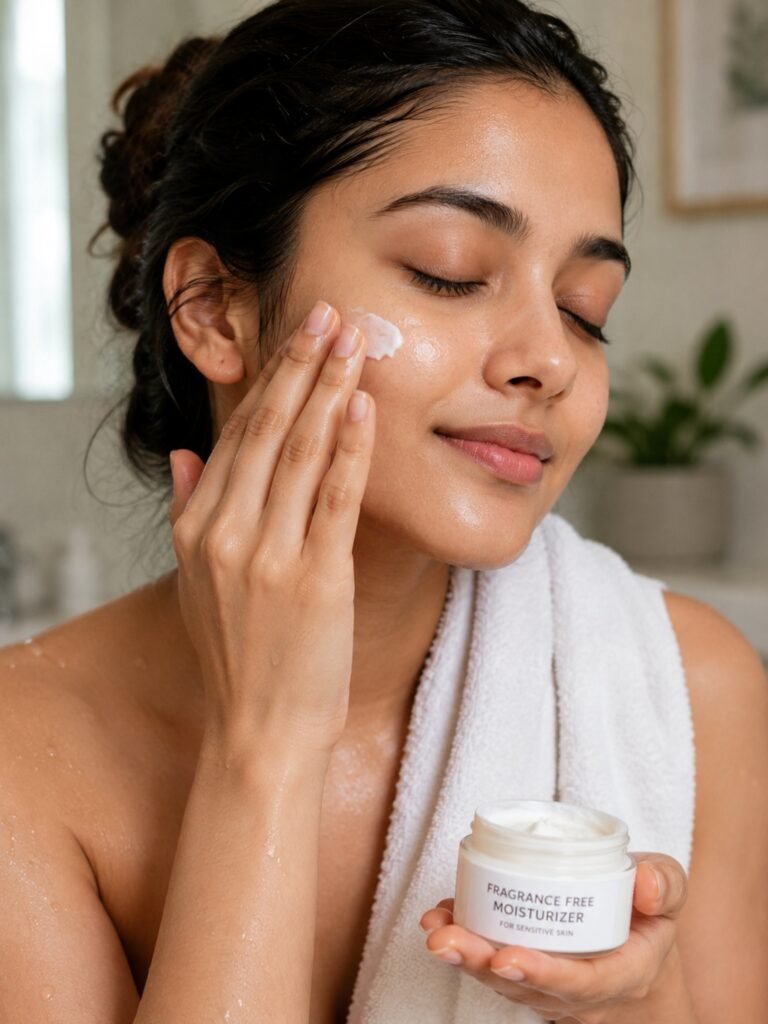
Try this basic routine:
- Wash with lukewarm water
- Use a gentle, fragrance-free cleanser
- Apply cleanser with your fingertips
- Rinse well without scrubbing
- Pat your face dry, leaving it slightly damp
- Apply moisturizer right away
- Use sunscreen in the morning
For dry skin, the American Academy of Dermatology dry skin tips recommend using a gentle cleanser, patting skin dry, and applying fragrance-free moisturizer after washing.
Ingredients to Look For in a Moisturizer
You do not need the most expensive moisturizer. You need one that your skin tolerates and that helps reduce water loss.
For tight or dry-feeling skin, I would look for moisturizers with ingredients like:
- Glycerin
- Ceramides
- Hyaluronic acid
- Petrolatum
- Dimethicone
- Squalane
- Colloidal oatmeal, especially for very dry or irritated skin
The Mayo Clinic dry skin treatment guidance lists moisturizer ingredients such as glycerin, hyaluronic acid, dimethicone, petrolatum, mineral oil, and others as options commonly used to help dry skin.
If your skin is sensitive, I recommend starting with fragrance-free products and avoiding long ingredient lists until your skin feels calmer.
Common Mistakes That Make Tight Skin Worse
Using a Cleanser Because It Feels “Squeaky Clean”
That tight, squeaky feeling is not the goal. Comfortable skin is the goal.
Scrubbing With a Washcloth or Brush
Scrubbing may feel like it is deep cleaning, but it can irritate skin that is already dry or tight. The AAD face-washing guidance recommends using fingertips to apply cleanser because washcloths, mesh sponges, and other tools can irritate the skin.
Skipping Moisturizer Because You Have Oily Skin
Oily skin can still be dehydrated or irritated. A lightweight moisturizer may help your skin feel more balanced after cleansing.
Changing Too Many Products at Once
If you change your cleanser, toner, serum, moisturizer, and sunscreen all at once, it becomes hard to know what helped or what irritated your skin.
Using Strong Actives on Tight Skin
If your face already feels tight, burning, or irritated, this is usually not the best time to add strong acids or retinoids.
When to See a Dermatologist
Tight skin after washing is often simple dryness or cleanser irritation, but not always.
I recommend speaking with a qualified dermatologist or healthcare professional if:
- Your skin stays dry despite changing your routine
- Your face burns or stings often
- You have rash, swelling, cracking, bleeding, or peeling
- Your skin feels painful or inflamed
- Products that used to feel fine now sting
- You suspect eczema, rosacea, contact dermatitis, or an allergy
The American Academy of Dermatology says that if dry skin continues after trying dermatologist-recommended tips, it is time to see a board-certified dermatologist because overly dry skin may be linked to an underlying medical condition.
This article is for general skincare education only and is not a diagnosis or personal medical advice.
FAQ
Why does my face feel tight after washing it?
Your face may feel tight after washing it because your cleanser is too harsh, your water is too hot, you are washing too often, you are not moisturizing soon enough, or your skin barrier is irritated.
Is tight skin after washing good?
No, not usually. Tight skin may feel clean, but it often means your skin is dry, stripped, or irritated. Your skin should feel comfortable after cleansing.
Should I stop washing my face if it feels tight?
You do not necessarily need to stop washing your face. I would start by switching to a gentler cleanser, using lukewarm water, avoiding scrubbing, and moisturizing right after washing.
Why does my moisturizer burn after I wash my face?
Moisturizer may burn if your skin barrier is irritated, your cleanser is too harsh, or your skin is sensitive to an ingredient in the moisturizer. If burning continues, simplify your routine and consider seeing a dermatologist.
What cleanser is best if my face feels tight after washing?
A gentle, fragrance-free cleanser is usually a better choice for tight or dry-feeling skin. Creamy, hydrating cleansers often work well for dry skin, while gentle gel cleansers may suit oily skin better.
How long does it take to fix tight skin after washing?
It depends on the cause. Mild dryness may improve within a few days after switching to a gentle cleanser and moisturizing properly. If tightness continues, burns, peels, or comes with rash, it is best to get professional advice.
Conclusion
Why your face feels tight after washing it usually comes down to dryness, a harsh cleanser, hot water, over-cleansing, delayed moisturizing, or a stressed skin barrier.
I recommend starting with the basics before adding more products. Use lukewarm water, choose a gentle cleanser, skip harsh scrubbing, and apply moisturizer while your skin is still slightly damp.
Your skin should not feel stiff, burning, or uncomfortable after cleansing. If the tightness does not improve or comes with irritation, rash, cracking, or pain, it is worth speaking with a dermatologist.
Sources
- American Academy of Dermatology face-washing guidance: https://www.aad.org/public/everyday-care/skin-care-basics/care/face-washing-101
- American Academy of Dermatology dry skin tips: https://www.aad.org/public/everyday-care/skin-care-basics/dry/dermatologists-tips-relieve-dry-skin
- American Academy of Dermatology moisturizer guidance: https://www.aad.org/public/everyday-care/skin-care-basics/dry/pick-moisturizer
- American Academy of Dermatology retinoid guidance: https://www.aad.org/public/everyday-care/skin-care-secrets/anti-aging/retinoid-retinol
- American Academy of Dermatology contact dermatitis symptoms: https://www.aad.org/public/diseases/eczema/types/contact-dermatitis/symptoms
- Mayo Clinic dry skin symptoms and causes: https://www.mayoclinic.org/diseases-conditions/dry-skin/symptoms-causes/syc-20353885
- Mayo Clinic dry skin diagnosis and treatment: https://www.mayoclinic.org/diseases-conditions/dry-skin/diagnosis-treatment/drc-20353891
- Cleveland Clinic skin barrier guide: https://health.clevelandclinic.org/skin-barrier