
Hair tint colors are one of the easiest ways to refresh your look without feeling like you have to completely reinvent your hair. A soft copper gloss can warm up brown hair, a pastel pink tint can make blonde hair feel playful, and a deep burgundy tint can give dark hair a richer finish without looking too bright.
If you are looking for hair tint colors that feel pretty, wearable, and matched to your hair type, I recommend starting with three things: your natural hair color, your hair texture, and how much maintenance you realistically want.
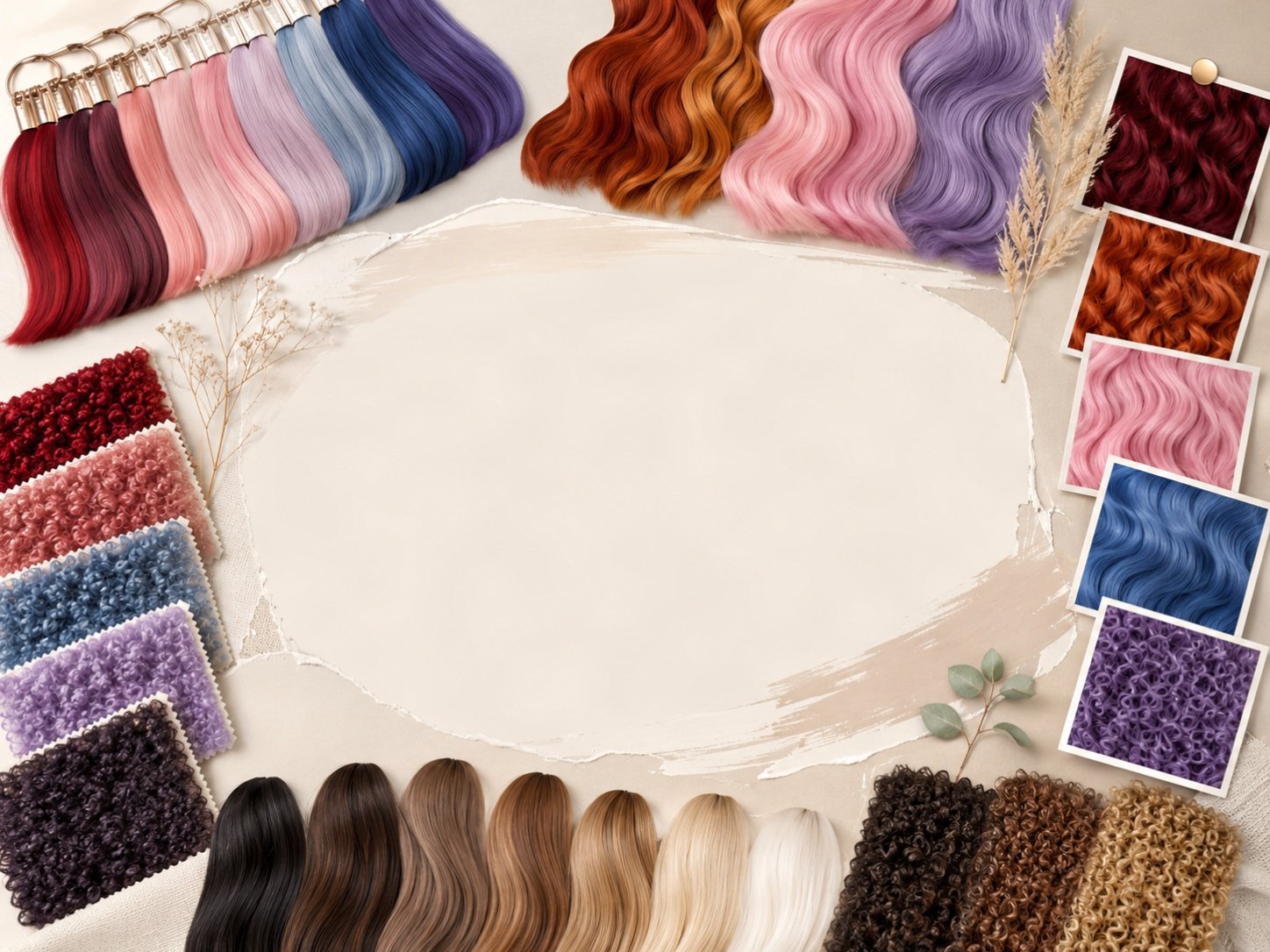
Hair tint can mean different things depending on the product. Some people use it to describe semi-permanent color, color-depositing conditioner, gloss, toner, temporary color, or a softer dye result. That is why this guide focuses on practical shade ideas and what to consider before choosing red, pink, blue, purple, copper, pastel, natural, or bold hair tint colors.
Before using any tint or dye, I recommend reading the product directions carefully. The American Academy of Dermatology recommends testing store-bought hair color before using it and avoiding dye if you develop redness, swelling, burning, itching, or a rash. The FDA also explains that some hair dyes can cause allergic reactions or sensitization, even if you have dyed your hair before without a problem.
This article is for general beauty and hair color education only. If your scalp is irritated, painful, broken, itchy, flaky, or reacting to hair dye, I recommend speaking with a licensed stylist, dermatologist, or qualified healthcare professional before applying color.
What Are Hair Tint Colors?
Hair tint colors are shades that add a color effect to the hair. They can be subtle, bold, temporary, semi-permanent, or more lasting depending on the formula and your starting hair color.
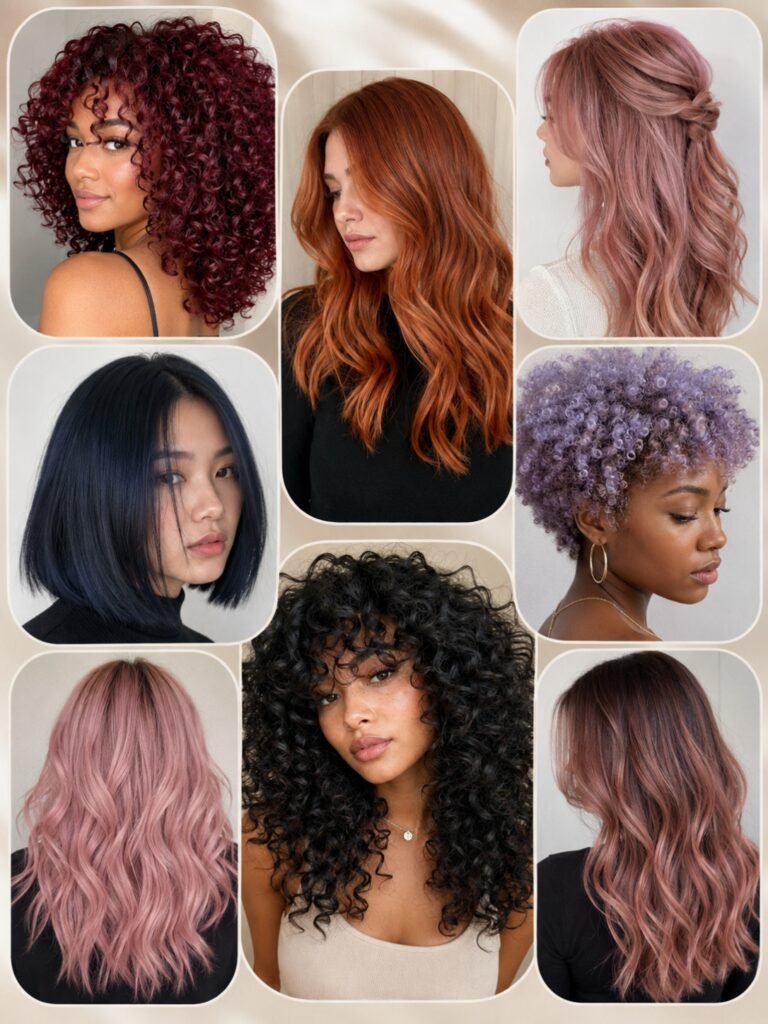
Hair tint colors may show up as:
- A soft wash of color
- A glossy tone shift
- A vibrant fashion shade
- A pastel finish
- A deeper brunette or red tone
- A color refresh between salon visits
- A money piece, peekaboo streak, or full-head tint
The main thing to understand is that tint does not always lighten hair. If your hair is dark and you apply a pastel pink tint, it may barely show. If your hair is blonde or pre-lightened, that same pastel shade may look much brighter.
That is why the best hair tint colors depend heavily on your base color.
How to Choose Hair Tint Colors Before You Dye
Choosing hair tint colors is not only about what looks cute in a photo. I recommend thinking through your starting point first.
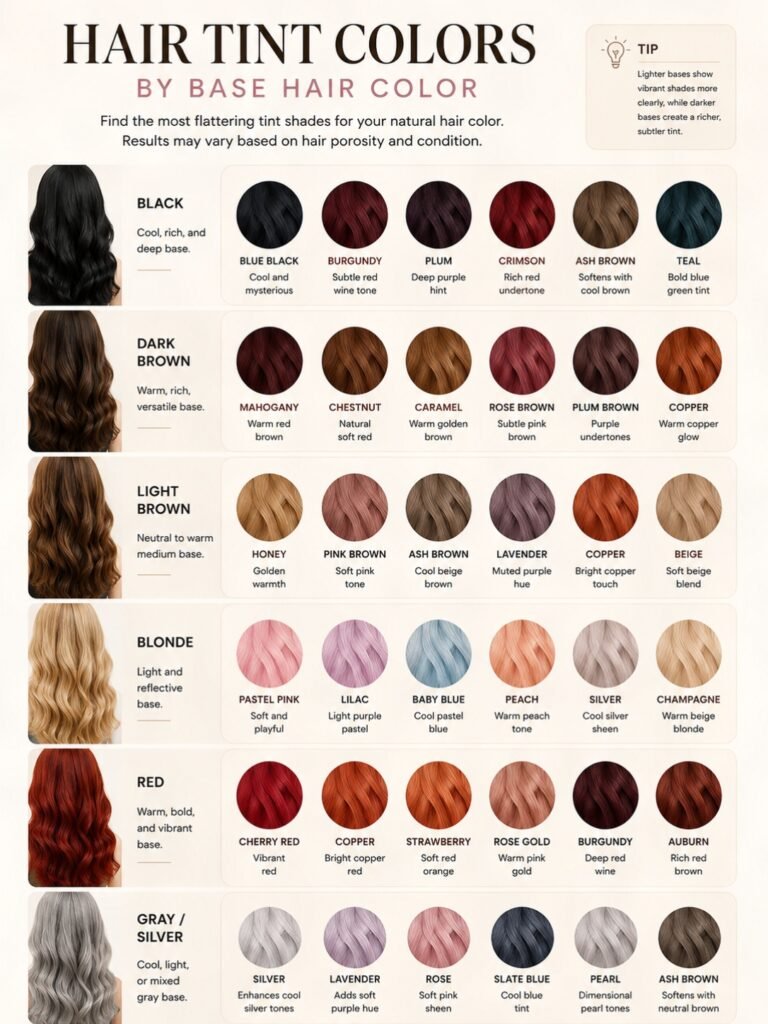
1. Look at Your Natural Hair Color
Your natural or current hair color affects how the tint appears.
Dark hair usually works best with rich shades like burgundy, cherry red, plum, deep purple, copper brown, espresso gloss, or blue-black.
Light brown hair can show copper, rose brown, caramel, auburn, soft red, muted purple, and warm pink better.
Blonde hair can show pastel pink, lavender, peach, blue, rose gold, silver, and vibrant shades more clearly.
Gray or silver hair can look beautiful with smoky lavender, pearl pink, icy blue, soft lilac, or champagne gloss.
2. Think About Your Hair Texture
Texture changes how color looks. Curly and coily hair can make color look dimensional because the light hits each curl differently. Fine straight hair can show color very clearly, especially if the tint is bright or uneven.
For curly, coily, dry, or color-treated hair, I recommend being extra careful with moisture. The AAD healthy hair tips recommend using conditioner after washing because it helps moisturize, detangle, and make hair easier to manage.
3. Decide How Bold You Want to Go
Some hair tint colors are soft and natural. Others are meant to stand out.
Ask yourself:
- Do I want a natural change or a bold statement?
- Do I need this color to work for school or work?
- Am I comfortable with fading?
- Do I want to maintain the color often?
- Do I want full color, face-framing pieces, ends only, or hidden color?
If you are nervous, start with a money piece, peekaboo section, color-depositing conditioner, or temporary tint.
4. Consider Maintenance
Red, pink, blue, purple, and pastel hair tint colors can fade faster than natural shades. Bright colors often need color-safe shampoo, less frequent washing, and regular refreshes.
The AAD notes that dyed, bleached, or permed hair can become weak, dry, rough, faded, and brittle with sun exposure, so protecting color-treated hair from the sun can help keep it looking better.
Best Hair Tint Colors for Dark Hair
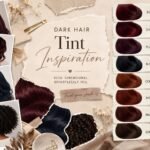
Dark hair can look amazing with deep, rich hair tint colors. I recommend choosing shades that add depth instead of expecting pastel color to show clearly without lightening.
1. Burgundy
Burgundy is one of my favorite hair tint colors for dark hair because it looks bold in the light but still wearable indoors. It works well on black, dark brown, and espresso hair.
Best for: brunettes, black hair, warm skin tones, neutral skin tones, low-maintenance color lovers.
What to try:
- Full burgundy tint
- Burgundy ends
- Burgundy money pieces
- Burgundy gloss over dark brown hair
- Burgundy peekaboo color
2. Cherry Red
Cherry red gives dark hair a vibrant finish without going neon. It looks especially pretty on brown and black hair when you want a noticeable color change.
Best for: dark brown hair, black hair, bold color lovers, warm undertones.
What to try:
- Cherry red tint over brown hair
- Cherry cola brunette
- Cherry red face-framing pieces
- Deep red gloss
- Cherry red curls or coils
3. Plum Purple
Plum is a beautiful purple shade for dark hair because it has enough depth to show without looking too pastel. It can look soft indoors and more vibrant in sunlight.
Best for: black hair, dark brown hair, cool undertones, curly hair, coily hair.
What to try:
- Plum brown
- Dark purple tint
- Purple-black gloss
- Plum peekaboo pieces
- Violet ends
4. Blue-Black
Blue-black is a bold but polished choice. It gives black hair a cool-toned shine and can look sleek on straight, wavy, curly, or coily hair.
Best for: black hair, cool undertones, dramatic shine, sleek hairstyles.
What to try:
- Blue-black all-over tint
- Navy-black gloss
- Blue-black bob
- Blue-black curls
- Subtle blue tint over dark hair
5. Copper Brown
Copper brown is a warmer option if you want dark hair to look brighter without going red. It adds a soft golden-orange warmth that can make brown hair look richer.
Best for: brown hair, warm undertones, autumn hair color, natural-looking warmth.
What to try:
- Copper brunette
- Cinnamon brown
- Auburn copper tint
- Copper balayage effect
- Copper gloss on dark brown hair
Best Hair Tint Colors for Brown Hair
Brown hair is one of the easiest bases for soft, wearable hair tint colors. You can go warm, cool, red, purple, or glossy natural.
1. Chocolate Cherry
Chocolate cherry is a rich brunette shade with red undertones. I recommend it if you want red hair without going too bright.
Best for: medium brown hair, dark brown hair, neutral undertones, warm undertones.
What to try:
- Chocolate cherry all-over tint
- Red-brown gloss
- Cherry brown money piece
- Deep red brunette waves
- Soft cherry tint on curly hair
2. Rose Brown
Rose brown is a softer choice than pastel pink. It gives brown hair a rosy tint that looks romantic without being too bright.
Best for: light brown hair, medium brown hair, soft color lovers, neutral skin tones.
What to try:
- Rose brown gloss
- Rose brunette tint
- Pink-brown ends
- Rose money pieces
- Muted rosy highlights
3. Auburn
Auburn is a classic choice that sits between red and brown. It is one of the most wearable hair tint colors if you want warmth, shine, and dimension.
Best for: brown hair, warm undertones, green eyes, hazel eyes, soft red beginners.
What to try:
- Soft auburn tint
- Auburn brunette
- Copper auburn curls
- Auburn face-framing color
- Deep auburn gloss
4. Caramel Tint
Caramel tint gives brown hair a warm golden finish. It is more natural than pink, blue, or purple, but still brightens the overall look.
Best for: medium brown hair, warm undertones, natural color changes.
What to try:
- Caramel gloss
- Honey brown tint
- Caramel money pieces
- Warm brunette tint
- Soft golden brown
5. Violet Brown
Violet brown is a cool-toned brunette shade with a purple effect. It can help brown hair look deeper and more interesting without going bright purple.
Best for: cool undertones, medium brown hair, dark brown hair, subtle color lovers.
What to try:
- Violet brunette
- Purple-brown gloss
- Muted plum tint
- Violet ends
- Cool brown tint
Best Hair Tint Colors for Blonde Hair
Blonde hair can show color quickly, so I recommend starting carefully. Pastel hair tint colors can look beautiful on blonde hair, but they can also grab unevenly if the hair is porous or patchy.
1. Pastel Pink
Pastel pink is soft, feminine, and Pinterest-friendly. It works best on light blonde or pre-lightened hair.
Best for: light blonde hair, platinum hair, soft color lovers, spring and summer looks.
What to try:
- Pastel pink all-over tint
- Pink ends
- Pink money piece
- Rose pink gloss
- Pink peekaboo panels
2. Lavender
Lavender is a gentle purple shade that looks especially pretty on cool blonde, silver, and platinum hair.
Best for: cool undertones, blonde hair, silver hair, soft pastel looks.
What to try:
- Lavender gloss
- Lilac tint
- Lavender money piece
- Lavender curls
- Soft purple ends
3. Peach
Peach is warmer than pink and softer than orange. It can brighten blonde hair without looking too bold.
Best for: warm undertones, golden blonde hair, strawberry blonde hair, soft summer color.
What to try:
- Peach blonde
- Pastel peach tint
- Peachy rose gold
- Peach ends
- Peach face-framing pieces
4. Rose Gold
Rose gold is one of the most wearable hair tint colors for blonde hair because it blends pink, peach, and gold.
Best for: blonde hair, light brown hair, warm undertones, soft glam looks.
What to try:
- Rose gold gloss
- Rose gold waves
- Rose gold money pieces
- Pink-gold ends
- Champagne rose tint
5. Icy Blue
Icy blue can look stunning on pale blonde or silver hair. It is a cooler, bolder shade, so I recommend it for someone who likes statement color.
Best for: platinum hair, silver hair, cool undertones, bold color lovers.
What to try:
- Icy blue ends
- Blue money piece
- Blue-silver tint
- Pastel aqua tint
- Blue peekaboo color
Best Hair Tint Colors for Red Hair
Red hair already has warmth, so the best hair tint colors usually enhance that warmth or deepen it.
1. Copper
Copper adds bright warmth and shine. It is a beautiful choice if your red hair looks dull or flat.
Best for: natural red hair, strawberry blonde, warm undertones, light brown hair.
What to try:
- Copper gloss
- Bright copper tint
- Copper money piece
- Copper curls
- Copper brown blend
2. Strawberry Blonde
Strawberry blonde is soft, warm, and natural-looking. It can make blonde or light red hair look fresh without going too bold.
Best for: light red hair, blonde hair, fair skin tones, natural color lovers.
What to try:
- Strawberry blonde gloss
- Soft peach-red tint
- Golden red tint
- Strawberry ends
- Strawberry blonde waves
3. Cherry Copper
Cherry copper adds a redder finish to copper hair. It is warmer than burgundy and brighter than auburn.
Best for: warm undertones, red hair, brown hair, bold warm color.
What to try:
- Cherry copper gloss
- Red copper tint
- Copper-red curls
- Bright copper ends
- Cherry copper bob
4. Auburn Gloss
Auburn can deepen red hair and make it look richer. I recommend it if you want a softer, more polished red shade.
Best for: redheads, brunettes, warm undertones, fall hair color.
What to try:
- Auburn all-over tint
- Auburn gloss
- Deep red-brown
- Auburn money piece
- Auburn curls
Best Hair Tint Colors for Black Hair
Black hair looks best with rich, high-depth tint colors unless the hair is lightened first.
1. Blue-Black
Blue-black gives black hair a cool, glossy finish. It is subtle in low light and bold in sunlight.
2. Red-Black
Red-black gives black hair a deep wine effect. It is a strong choice if you want warmth without full red hair.
3. Purple-Black
Purple-black is beautiful on dark hair because it adds depth and dimension without needing a pastel finish.
4. Espresso Brown
Espresso brown is a natural tint option that makes black hair look softer while keeping it dark.
5. Burgundy
Burgundy is one of the best hair tint colors for black hair because it gives visible color while still feeling rich and wearable.
Best Hair Tint Colors for Curly Hair
Curly hair shows color beautifully because each curl catches light differently. I recommend choosing hair tint colors that create dimension rather than flat, one-note color.
Best shades for curly hair:
- Copper
- Auburn
- Burgundy
- Honey brown
- Rose brown
- Plum
- Cherry red
- Caramel
- Blue-black
- Lavender on lighter curls
What to try:
- Tint only the ends
- Add a money piece
- Try peekaboo color
- Use color-depositing conditioner
- Keep curls moisturized
- Avoid overlapping color too often on fragile ends
Curly hair can also be more prone to dryness, so conditioner and gentle styling matter. The AAD recommends conditioner after shampooing and applying it based on hair type, with dry or curly hair often benefiting from conditioner along the hair length.
Best Hair Tint Colors for Coily and Natural Hair
Coily and natural hair can look stunning with warm, rich, and jewel-toned hair tint colors. Since this hair type can be more dryness-prone, I recommend choosing a color plan that does not require constant processing.
Best shades for coily and natural hair:
- Burgundy
- Copper brown
- Cherry cola
- Plum
- Blue-black
- Red velvet
- Honey brown
- Auburn
- Deep violet
- Warm caramel
What to try:
- Color on stretched hair for even placement
- Tint only ends or face-framing pieces
- Try temporary color first
- Use moisturizing aftercare
- Avoid coloring already fragile sections
- Work with a professional for big lightening changes
If you want pastel pink, icy blue, or lavender on very dark natural hair, you will usually need lightening first. That can be drying, so I recommend professional help if you are not experienced.
Best Natural-Looking Hair Tint Colors
If you want a softer change, natural-looking hair tint colors are a good place to start.
Natural-looking shades to try:
- Chocolate brown
- Espresso gloss
- Soft black
- Caramel brown
- Honey blonde
- Auburn
- Copper brown
- Chestnut
- Mushroom brown
- Strawberry blonde
These shades are good if you want shine, warmth, or depth without a dramatic color change.
What to try:
- Gloss instead of permanent dye
- Color-depositing conditioner
- Semi-permanent brunette tint
- Warm copper refresh
- Chestnut brown tint
- Soft golden gloss
Natural shades are usually easier to maintain than vivid hair tint colors because fading looks less obvious.
Best Bold Hair Tint Colors
Bold hair tint colors are fun, expressive, and perfect for someone who wants a statement look.
Bold shades to try:
- Electric blue
- Hot pink
- Cherry red
- Neon purple
- Emerald green
- Fire orange
- Bright copper
- Magenta
- Violet
- Teal
What to try:
- Bold money piece
- Bright ends
- Peekaboo panels
- Split color
- Underlayer tint
- Full fantasy color
If you are new to bold hair tint colors, I recommend starting with a smaller section. A bold money piece or hidden underlayer can give you the fun of bright color without the maintenance of full-head color.
Best Pastel Hair Tint Colors
Pastel hair tint colors are soft and dreamy, but they usually need a light base. On dark hair, pastel shades may not show clearly unless the hair is lightened.
Pastel shades to try:
- Pastel pink
- Lavender
- Peach
- Baby blue
- Mint
- Lilac
- Soft coral
- Rose gold
- Powder purple
- Champagne pink
What to try:
- Pastel ends
- Pastel money piece
- Soft all-over tint
- Pastel peekaboo color
- Color-depositing conditioner
- Temporary pastel spray for one-day color
Pastel hair can fade quickly, so I recommend choosing it only if you are comfortable refreshing it.
Hair Tint Colors by Skin Tone
Skin tone is not a strict rule, but it can help you choose a shade that feels balanced.
Warm Skin Tones
Warm skin tones often look good with:
- Copper
- Auburn
- Peach
- Caramel
- Honey blonde
- Rose gold
- Cherry copper
- Warm brown
- Strawberry blonde
- Golden brunette
Cool Skin Tones
Cool skin tones often look good with:
- Blue-black
- Plum
- Violet
- Burgundy
- Lavender
- Icy blue
- Ash brown
- Rose pink
- Silver
- Cool espresso
Neutral Skin Tones
Neutral skin tones can usually wear both warm and cool hair tint colors.
Good options include:
- Chocolate cherry
- Rose brown
- Copper brown
- Soft black
- Burgundy
- Peach pink
- Plum brown
- Caramel brunette
- Champagne blonde
- Muted purple
My practical rule is simple: if you already like wearing a color in clothes or makeup, you may like a version of it in your hair.
Hair Tint Colors That Are Easier to Maintain
Some shades are easier to live with than others.
Lower-maintenance hair tint colors:
- Chocolate brown
- Espresso
- Chestnut
- Auburn
- Copper brown
- Burgundy
- Caramel
- Rose brown
- Soft black
- Plum brown
Higher-maintenance hair tint colors:
- Pastel pink
- Baby blue
- Lavender
- Silver
- Electric blue
- Hot pink
- Neon purple
- Bright red
- Peach
- Teal
Higher-maintenance shades are not bad. They just need more refreshing, gentler washing, and more realistic expectations.
Common Mistakes to Avoid With Hair Tint Colors
Mistake 1: Expecting Pastel Color to Show on Dark Hair
Pastel shades usually need a light base. If your hair is dark, choose deep jewel tones or speak with a stylist about lightening.
Mistake 2: Skipping the Patch Test
Do not skip safety instructions. The FDA says reactions can happen even after previous dye use, so following directions and doing the skin test before every use matters.
Mistake 3: Applying Tint Over Uneven Hair
If your hair has old highlights, faded dye, porous ends, or patchy bleach, tint can grab unevenly.
Mistake 4: Choosing a Shade Based Only on a Photo
Photos can be edited, filtered, or taken in bright lighting. Your result depends on your base color and hair condition.
Mistake 5: Forgetting About Maintenance
Red, pink, blue, purple, and pastel hair tint colors can fade quickly. Plan your wash routine before you dye.
Mistake 6: Coloring an Irritated Scalp
Do not apply dye or tint to a scalp that is burning, itchy, broken, scratched, or inflamed. Cleveland Clinic recommends watching for signs such as redness, irritation, itching, scaling, flaking, or blisters after coloring and seeking care if symptoms are severe or last more than two days.
How to Make Hair Tint Colors Last Longer
Once you choose your shade, aftercare matters.
What to try:
- Wait as directed before the first wash
- Wash with cooler water
- Use color-safe shampoo
- Condition after washing
- Wash less often if your scalp allows
- Protect hair from sun exposure
- Avoid heavy clarifying shampoos unless needed
- Use color-depositing conditioner to refresh tone
- Keep heat styling low
- Sleep on a satin or silk pillowcase to reduce friction
The AAD recommends using conditioner after washing and protecting dyed hair from the sun because sun exposure can make color-treated hair look faded, dry, weak, rough, and brittle.
Best Hair Tint Color Ideas by Goal
If You Want a Soft Change
Try:
- Rose brown
- Copper brown
- Caramel gloss
- Chestnut
- Strawberry blonde
- Soft auburn
If You Want a Bold Change
Try:
- Electric blue
- Cherry red
- Hot pink
- Violet
- Magenta
- Blue-black
- Fire copper
If You Want a Work-Friendly Color
Try:
- Burgundy
- Chocolate cherry
- Auburn
- Espresso
- Plum brown
- Copper brown
- Rose brown
If You Want a Low-Commitment Color
Try:
- Temporary hair tint
- Color-depositing conditioner
- Hair tint spray
- Tint on ends only
- Peekaboo color
- Clip-in colored extensions
If You Want a Pinterest-Friendly Look
Try:
- Pink money piece
- Blue peekaboo hair
- Copper curls
- Rose gold blonde
- Burgundy brunette
- Lavender ends
- Cherry cola hair
My Favorite Hair Tint Colors to Try First
If you are not sure where to start, I would choose based on your current hair color.
For Black Hair
Try burgundy, blue-black, plum, red-black, or espresso brown.
For Dark Brown Hair
Try chocolate cherry, copper brown, auburn, burgundy, or violet brown.
For Light Brown Hair
Try rose brown, caramel, copper, peachy brown, or soft red.
For Blonde Hair
Try pastel pink, lavender, peach, rose gold, or icy blue.
For Red Hair
Try copper gloss, strawberry blonde, cherry copper, or auburn.
For Gray or Silver Hair
Try smoky lavender, pearl pink, soft blue, champagne, or silver gloss.
Best Products and Tools for Hair Tint Colors
You do not need every product, but the right basics can make tinting easier and cleaner.
For At-Home Tinting
Look for:
- Gloves
- Tint brush
- Mixing bowl
- Sectioning clips
- Old towel
- Petroleum jelly or barrier cream for the hairline
- Timer
- Dark shirt
- Shower cap
- Color-safe shampoo
For Maintaining Color
Look for:
- Color-safe shampoo
- Moisturizing conditioner
- Leave-in conditioner
- Color-depositing conditioner
- Gentle detangling brush
- Satin or silk pillowcase
- UV protection hat for sunny days
For Temporary Color
Look for:
- Temporary tint spray
- Color wax
- Color-depositing mask
- Clip-in colored extensions
- Wash-out color foam
Always check the current product directions, processing time, ingredient warnings, and patch test instructions before applying any tint or dye.
FAQ
What are the best hair tint colors to try?
The best hair tint colors depend on your starting hair color. Dark hair usually looks best with burgundy, plum, cherry red, blue-black, and copper brown. Blonde hair can show pastel pink, lavender, peach, rose gold, and icy blue more clearly. Brown hair works well with auburn, caramel, rose brown, chocolate cherry, and violet brown.
What hair tint colors show on dark hair?
Deep hair tint colors usually show best on dark hair. Try burgundy, cherry red, plum, purple-black, blue-black, red-black, copper brown, or espresso gloss. Pastel shades usually need lightened hair to show clearly.
Can I use hair tint without bleach?
Yes, but the result depends on your base color. Dark hair can take rich shades like burgundy, plum, blue-black, and copper brown without obvious lightening. Pastels and bright fantasy colors usually show better on blonde or pre-lightened hair.
What hair tint colors are low maintenance?
Chocolate brown, espresso, chestnut, auburn, copper brown, burgundy, caramel, rose brown, and plum brown are usually easier to maintain than pastel or neon shades.
What hair tint colors fade fastest?
Pastel pink, lavender, baby blue, bright red, hot pink, teal, and electric blue often fade faster than natural brunette or auburn shades.
Is hair tint damaging?
It depends on the formula, your hair condition, and whether lightening is involved. Temporary and color-depositing products may be gentler than bleach or permanent dye, but any product can irritate the scalp or dry the hair if used incorrectly. Follow directions and avoid applying color to an irritated scalp.
Should I do a patch test before using hair tint?
Yes, if the product directions recommend it. The AAD recommends testing store-bought hair color before using it and not dyeing if you develop redness, swelling, burning, itching, or a rash.
How do I pick hair tint colors for my skin tone?
Warm skin tones often suit copper, caramel, peach, auburn, and rose gold. Cool skin tones often suit plum, burgundy, blue-black, lavender, and icy blue. Neutral skin tones can usually wear both warm and cool shades.
Can curly hair use hair tint colors?
Yes. Curly hair can look beautiful with tint because curls show dimension well. I recommend keeping curls moisturized, avoiding repeated color overlap on dry ends, and using conditioner after washing.
What is the safest way to try bold hair tint colors?
Start small. Try a money piece, peekaboo color, ends-only tint, color-depositing conditioner, temporary spray, or clip-in colored extensions before committing to full-head color.
Conclusion
Hair tint colors are a fun way to change your look, whether you want something soft and natural or bright and bold. The best shade depends on your starting hair color, texture, skin tone, maintenance level, and comfort with fading.
If you want a low-risk change, I recommend starting with subtle shades like copper brown, rose brown, auburn, caramel, plum brown, or burgundy. If you want something playful, try pastel pink, lavender, peach, electric blue, cherry red, or purple, but remember that brighter and pastel shades usually need more upkeep.
Before trying new hair tint colors, read the product directions, do the recommended patch test, protect your scalp, and think through your aftercare. A good tint should feel exciting, but it should also fit your real hair routine.
Sources
- American Academy of Dermatology hair coloring and perming tips: https://www.aad.org/public/everyday-care/hair-scalp-care/hair/coloring-perming-tips
- FDA hair dye safety guidance: https://www.fda.gov/cosmetics/cosmetic-products/hair-dyes
- American Academy of Dermatology healthy hair tips: https://www.aad.org/public/everyday-care/hair-scalp-care/hair/healthy-hair-tips
- Cleveland Clinic hair dye safety guidance: https://health.clevelandclinic.org/hair-dye-safety-what-you-need-to-know-about-salon-and-box-color
- American Academy of Dermatology leave-in conditioner tips: https://www.aad.org/public/everyday-care/hair-scalp-care/hair/leave-in-conditioner-tips